Civil & excavation
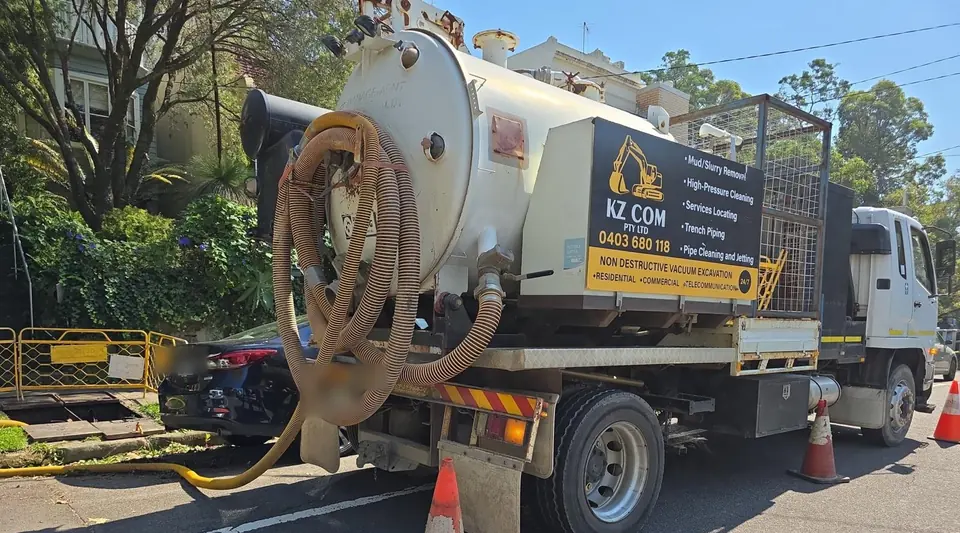
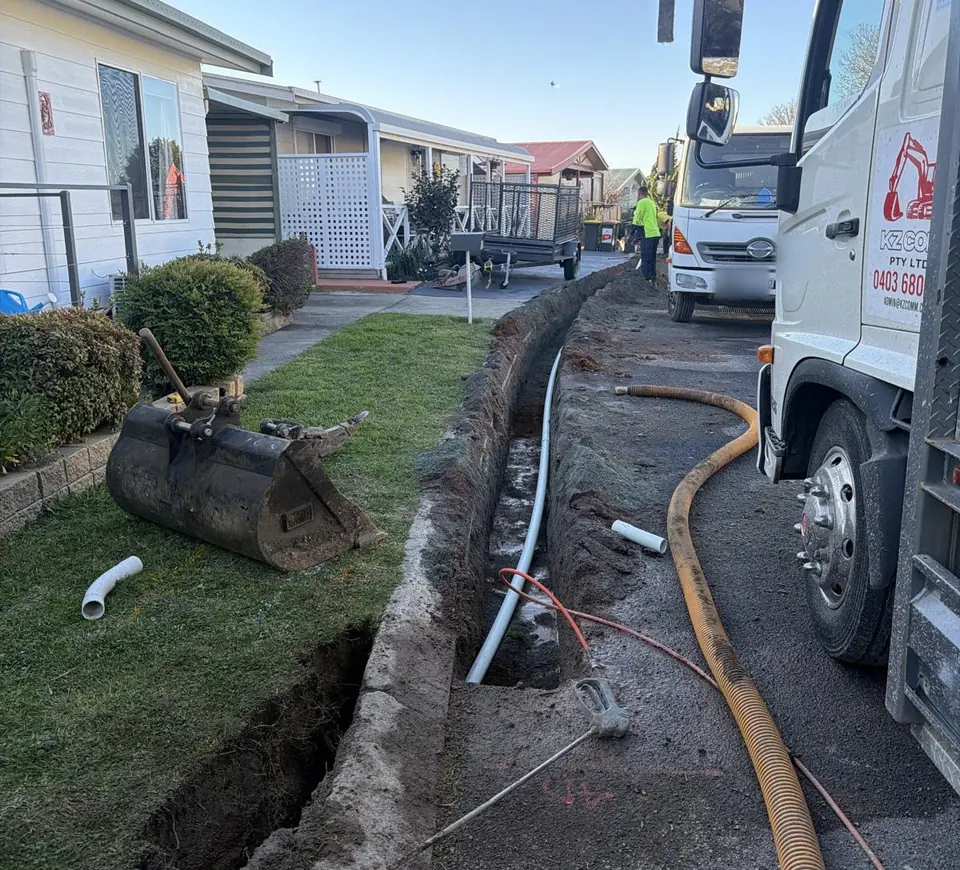
Vacuum Excavation & Non-Destructive Digging
Potholing to confirm the position and depth of services, digging around live assets, spoil extraction and pit cleaning, on KZ COM civil scopes or as a standalone service.
- Where it fits
- Before the design is final, before machine excavation and wherever work runs close to live services.
- Typically engaged by
- Principal contractors, builders, designers and asset owners.
Scope
What the scope covers
Non-destructive exposure of existing services, to the asset owners’ requirements, before design is final or excavation starts.
Potholing for services
Buried services exposed to confirm position and depth before a design is finalised or excavation starts.
Non-destructive digging
Excavation around and close to live services where a machine bucket isn’t safe.
Hydro excavation
Pressurised water breaks up the ground and the vacuum lifts the slurry into the unit’s debris tank.
Service locating
Locating and marking ahead of excavation, with potholes to confirm what the locate found.
Spoil extraction and pit cleaning
Spoil removed from tight or sensitive locations, and silt, water and debris cleared from pits.
Delivery
How a vacuum excavation visit runs
The order the work runs on site. Services are located and exposed before any machine excavation.
- Step 1
Plans and marks
BYDA plans reviewed and service markings checked before starting.
- Step 2
Expose
Ground broken down with water and lifted by vacuum, working down to the service.
- Step 3
Confirm and record
Position and depth confirmed, photographed and recorded.
- Step 4
Backfill or hand over
Hole backfilled and reinstated, or left protected for the next trade.
Interfaces and records
Coordination, site constraints and handover records
What KZ COM coordinates with the other parties on the job, the constraints planned for before mobilising, and the records supplied at handover.
Delivery interfaces
- Locating
- Potholes confirm what the locate found.
- Designer
- Depths and positions before the design is fixed.
- Asset owners
- Clearances and any supervision requirements for their assets.
Site constraints planned for
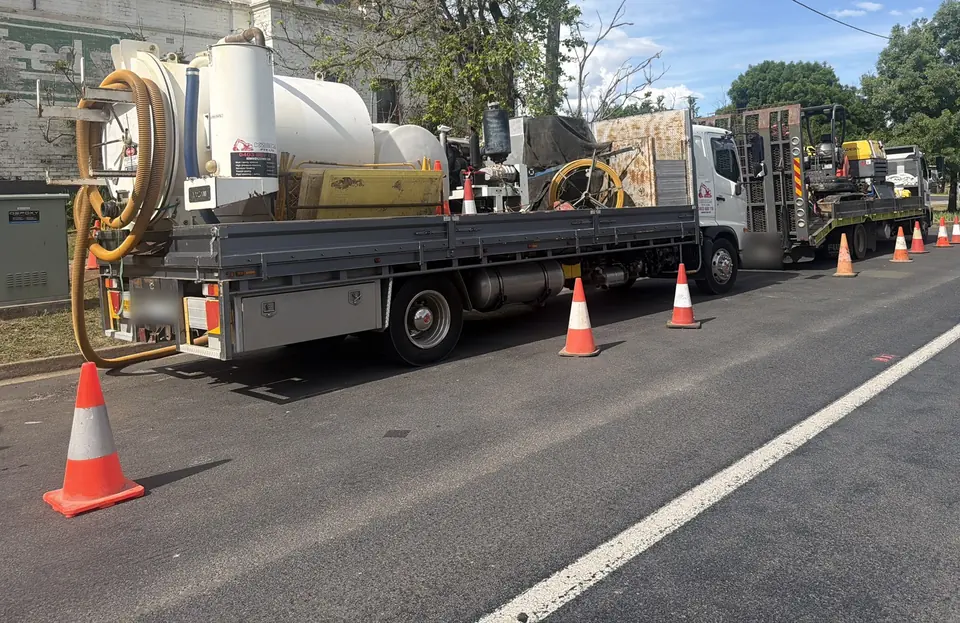
- Truck access and set-up position
- Number and depth of potholes
- Surface type and reinstatement
- Slurry and spoil disposal
Records supplied
- Pothole positions and depths
- Photos of exposed services
- Service identification notes
- Reinstatement record
Health, safety & quality
Safety and quality on this scope
The controls and checks that matter most on this work.
Underground services
Before You Dig Australia (BYDA) information reviewed, services located and marked, and crossings exposed by vacuum excavation or by hand before machine excavation.
Site-specific SWMS
Where the scope includes high-risk construction work, such as trenching, work near underground services or beside traffic, the Safe Work Method Statement is reviewed with the crew before work starts.
Inspection points
Depths, pit levels, conduit continuity and surface finish checked during and at the end of the work.
Handover records
Depths, routes, pit positions and photos captured as the work goes in, for the as-built package.
For estimators
Information needed to price it
- Site location and truck access
- Number and approximate depth of potholes
- BYDA referral responses
- Surface type and the reinstatement needed
- Spoil disposal requirements
Scope and responsibilities
- Potholing can run before the design is final, to confirm the depth and position of crossing services.
- Supervision or stand-by requirements set by asset owners are confirmed before mobilising.
Tell us who is engaging the work and what your specification requires, and KZ COM will confirm its part before pricing.
Related capabilities
Tender and project enquiries
Send the scope, the site location and your timing, or ask for the information your assessment needs.