

Telecommunications infrastructure
Fibre Jointing, Splicing & Termination
Fibre jointing and termination activities are undertaken to the applicable project design, workmanship requirements and test and handover specifications. Closures are prepared, sealed and stored, and splice records kept in the format the specification asks for.
- Where it fits
- After cable installation, before the network owner’s testing and commissioning.
- Typically engaged by
- Network delivery contractors and principal contractors.
Scope
What the scope covers
Jointing to the splice plan and the project specification, with records in the format the network owner requires.
Splicing and jointing
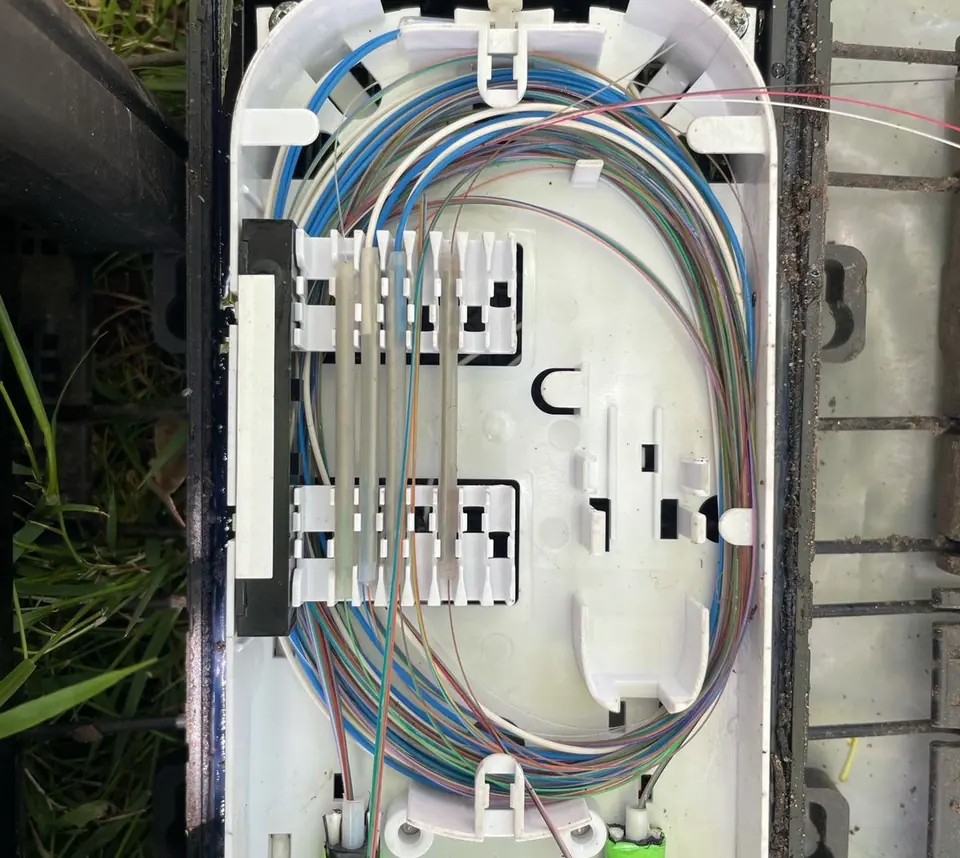
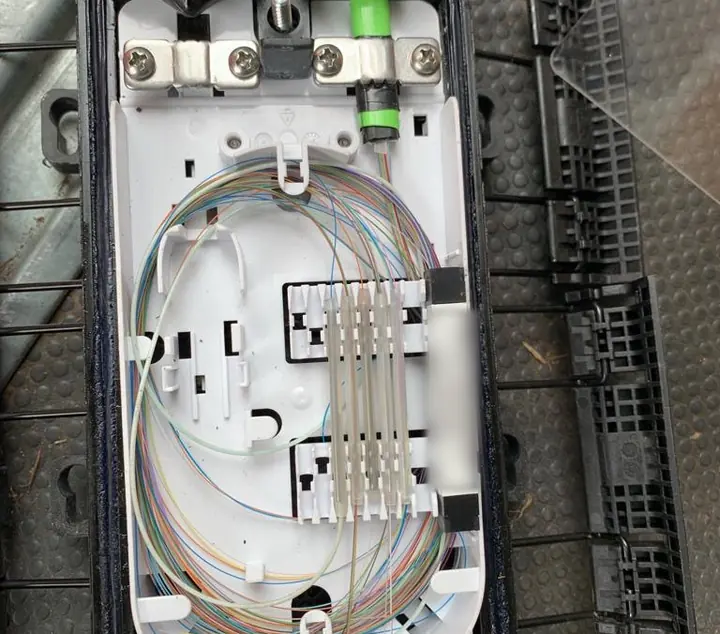
Fibres jointed in closures, with joints protected and fibres routed onto trays within their bend limits.
Closure preparation
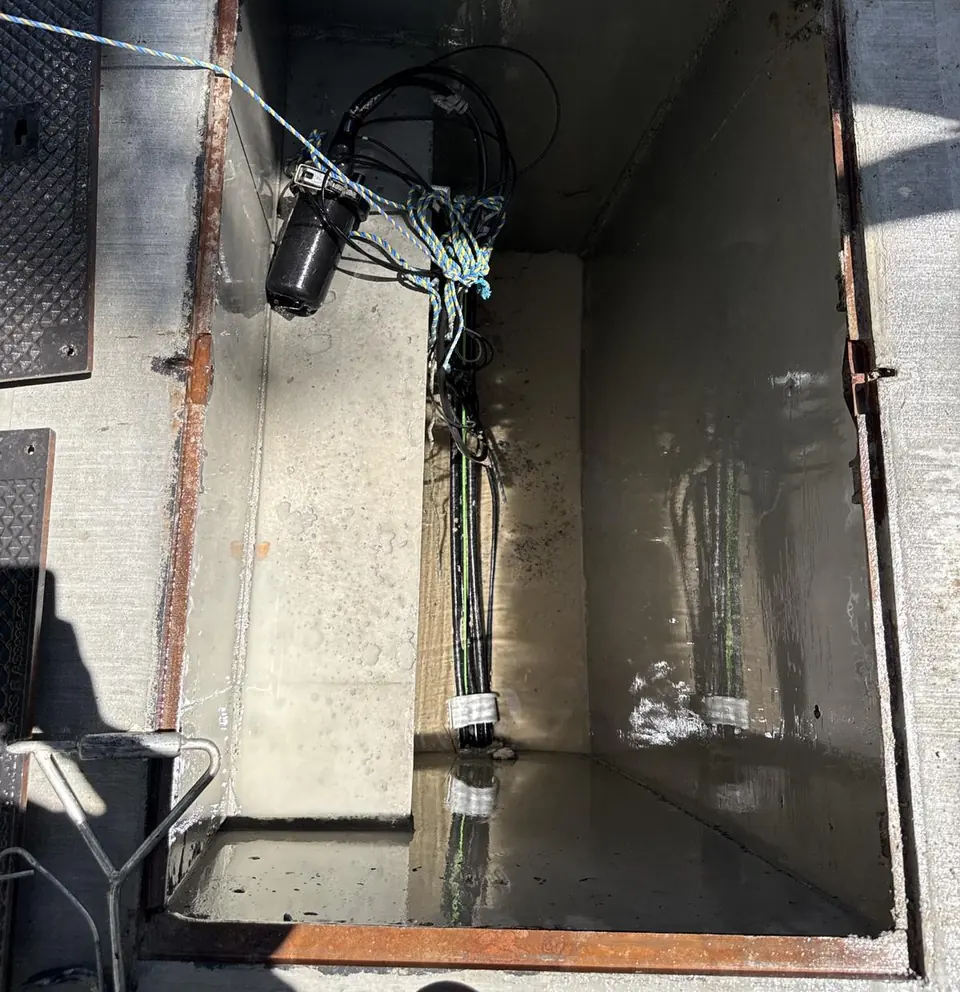
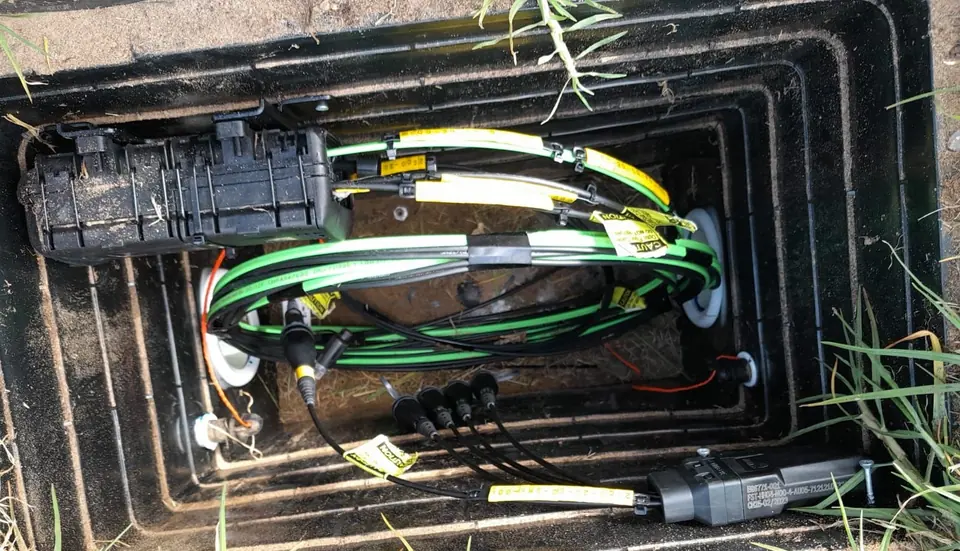
Cables prepared, secured and sealed into the closure so it can be closed up and stored in the pit.
Termination
Fibres terminated at the points the design specifies.
Splice records
Fibre allocations and joints recorded and labelled the way your specification requires.
Delivery
How a jointing scope runs
The order the work runs on site. Services are located and exposed before any machine excavation.
- Step 1
Plan
Splice plan and fibre allocations confirmed against the design.
- Step 2
Prepare
Cables prepared and secured into the closure.
- Step 3
Joint
Fibres jointed, protected and routed onto trays.
- Step 4
Close and record
Closure sealed and stored, records completed for handover.
Interfaces and records
Coordination, site constraints and handover records
What KZ COM coordinates with the other parties on the job, the constraints planned for before mobilising, and the records supplied at handover.
Delivery interfaces
- Designer
- Splice plan and fibre allocations.
- Hauling crew
- Cable ends and slack at each closure location.
- Network owner
- Testing and commissioning, and any accreditation for work on its network.
Site constraints planned for
- Closure locations and pit access
- Joint counts per closure
- Network owner accreditation requirements
- Work windows on live networks
Records supplied
- Splice records and fibre allocations
- Closure locations and labels
- Photos of closures before sealing
Health, safety & quality
Safety and quality on this scope
The controls and checks that matter most on this work.
Underground services
Before You Dig Australia (BYDA) information reviewed, services located and marked, and crossings exposed by vacuum excavation or by hand before machine excavation.
Site-specific SWMS
Where the scope includes high-risk construction work, such as trenching, work near underground services or beside traffic, the Safe Work Method Statement is reviewed with the crew before work starts.
Inspection points
Depths, pit levels, conduit continuity and surface finish checked during and at the end of the work.
Handover records
Depths, routes, pit positions and photos captured as the work goes in, for the as-built package.
For estimators
Information needed to price it
- Splice plan and fibre allocations
- Closure type and locations
- Number of joints and terminations
- Test and handover specification
- Network owner and accreditation requirements
Scope and responsibilities
- Testing and commissioning follow the network owner’s requirements for the project.
- Splicing method, closure type and network access are agreed with the party engaging the work before pricing.
Tell us who is engaging the work and what your specification requires, and KZ COM will confirm its part before pricing.
Related capabilities
Tender and project enquiries
Send the scope, the site location and your timing, or ask for the information your assessment needs.