

Telecommunications infrastructure
Pit-and-Pipe & Lead-in Conduits
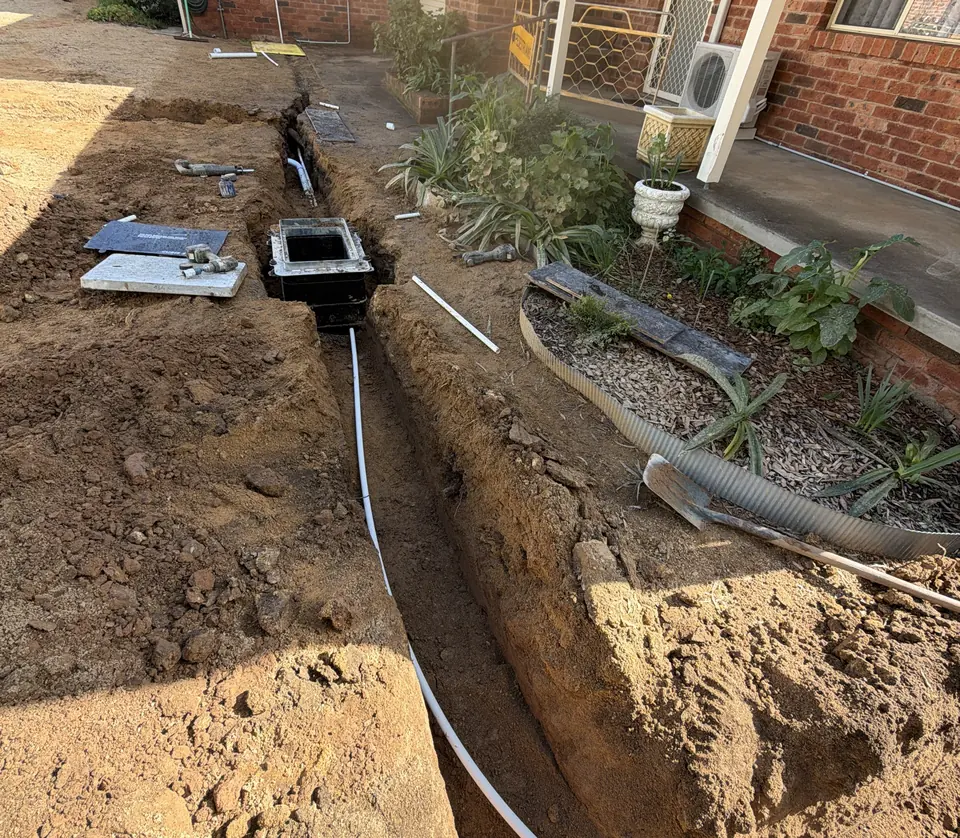
Pit-and-pipe networks for new developments, lead-in conduits from the street to the building entry point and pit replacement on existing routes, built to the issued design.
- Where it fits
- After the design is issued and before cable is hauled: the pathway the network is installed through.
- Typically engaged by
- Developers, builders and principal contractors, and network delivery contractors.
Scope
What the scope covers
Built to the issued design and the network’s pathway requirements, from set-out to a proved, recorded pathway.
Pit-and-pipe networks
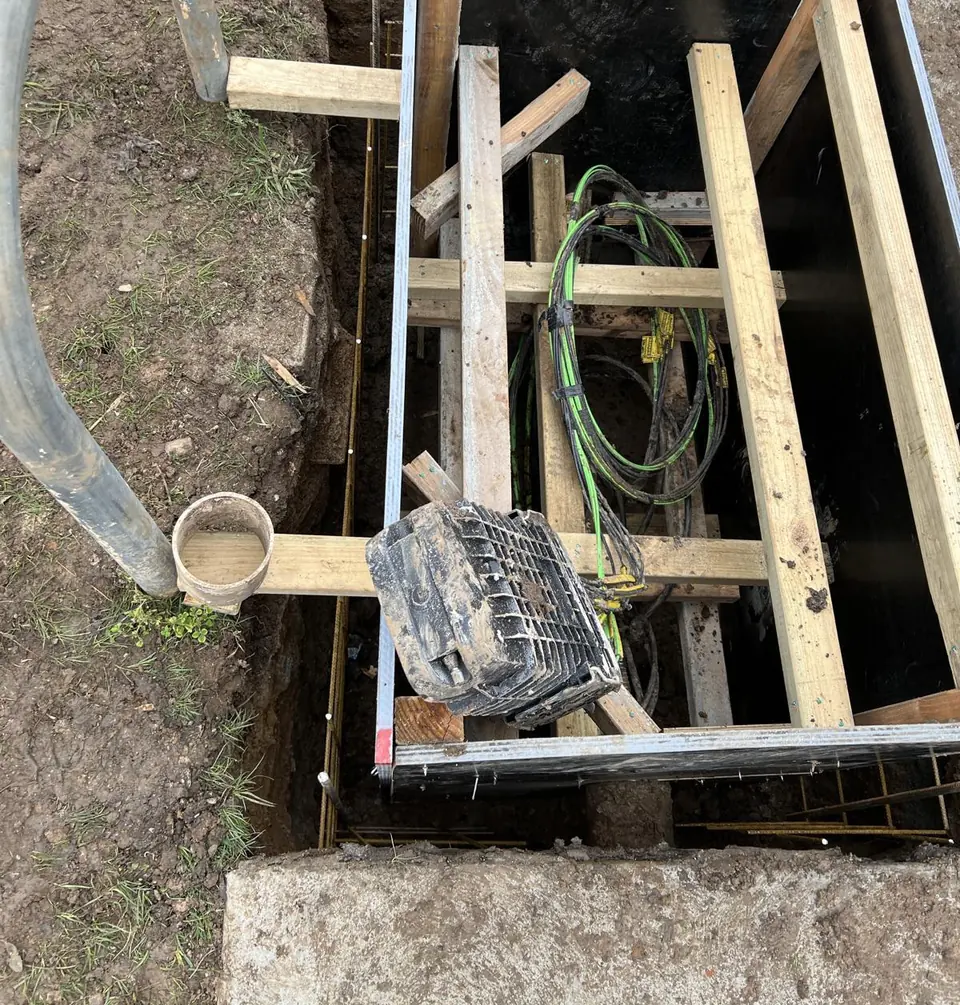
Pits and conduit installed to the project design, set to line and level, connected and finished to suit the surrounding surface, ready for inspection.
Lead-in conduits
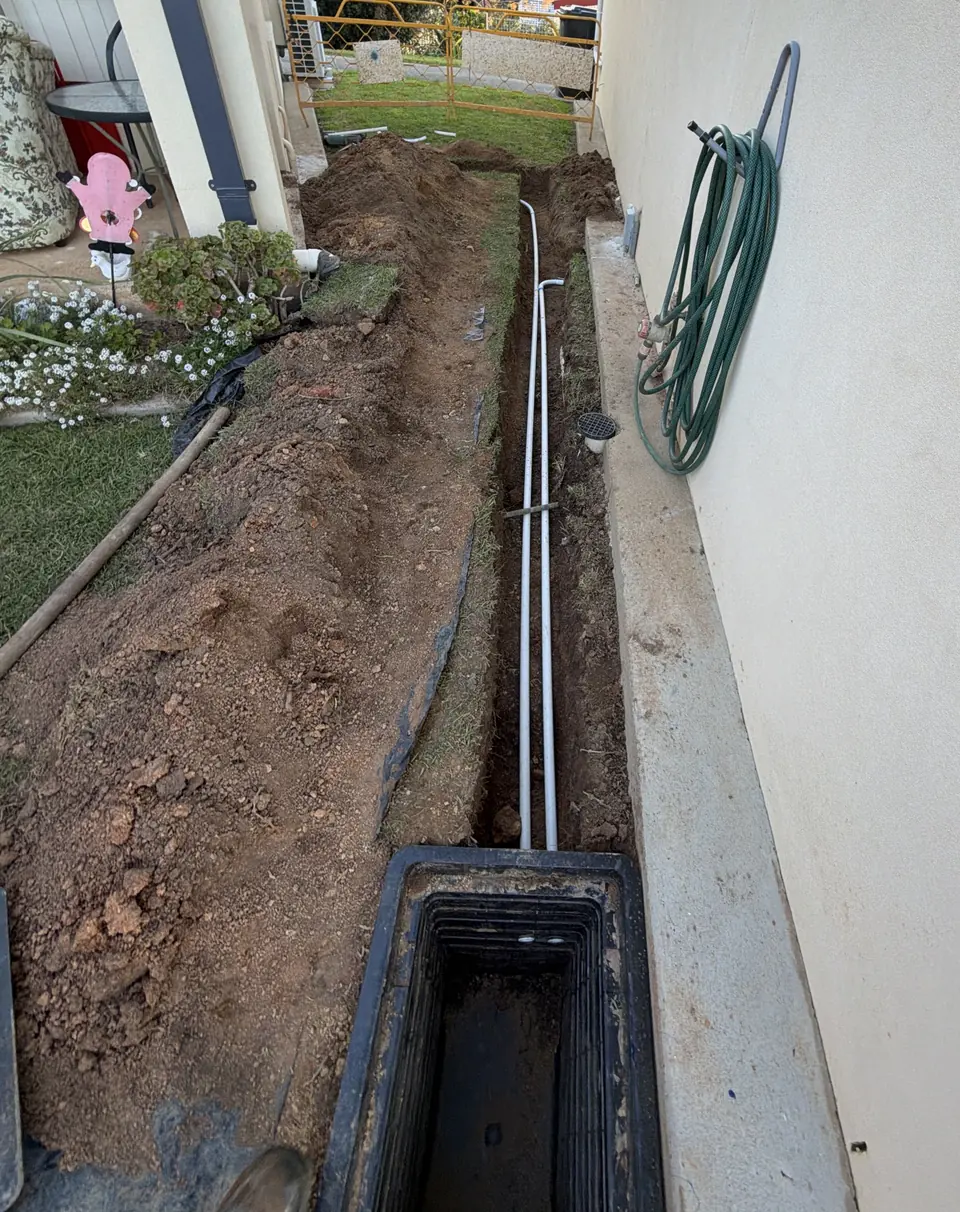
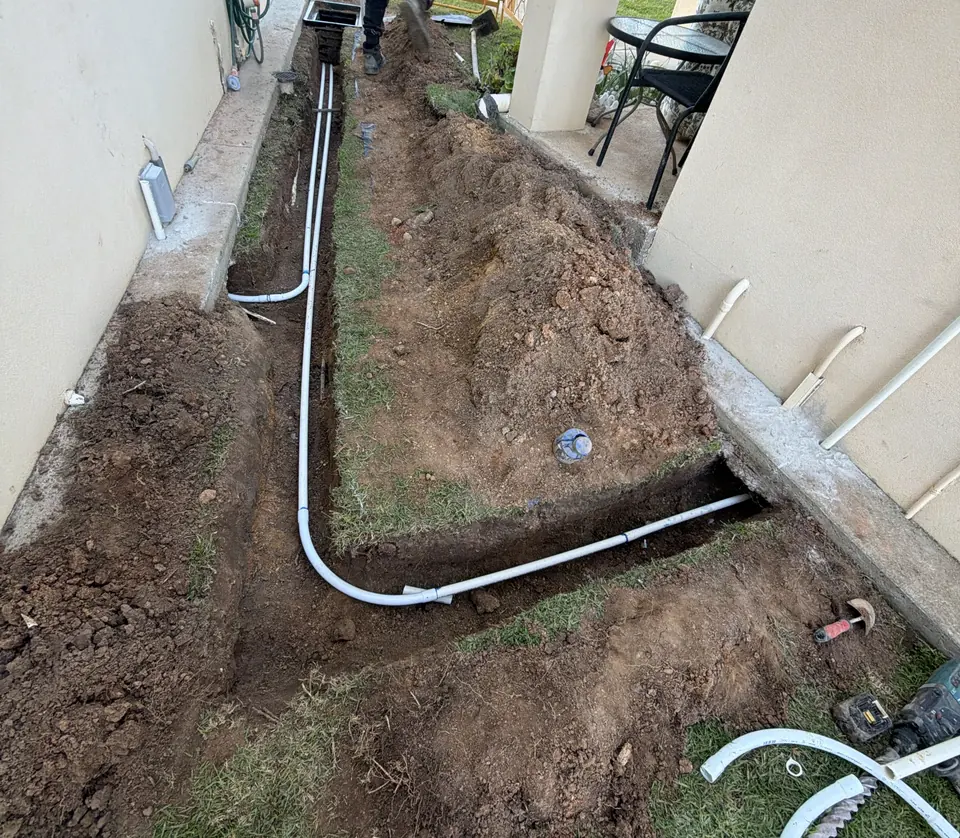
Lead-in conduit from the pit or boundary to the building entry point, with sweeps formed to suit the cable to be hauled. Built to the network’s current requirements for the project.
Building entry
Conduit brought up and secured at the building entry point, ready for the next stage of the build.
Pit replacement and upgrades
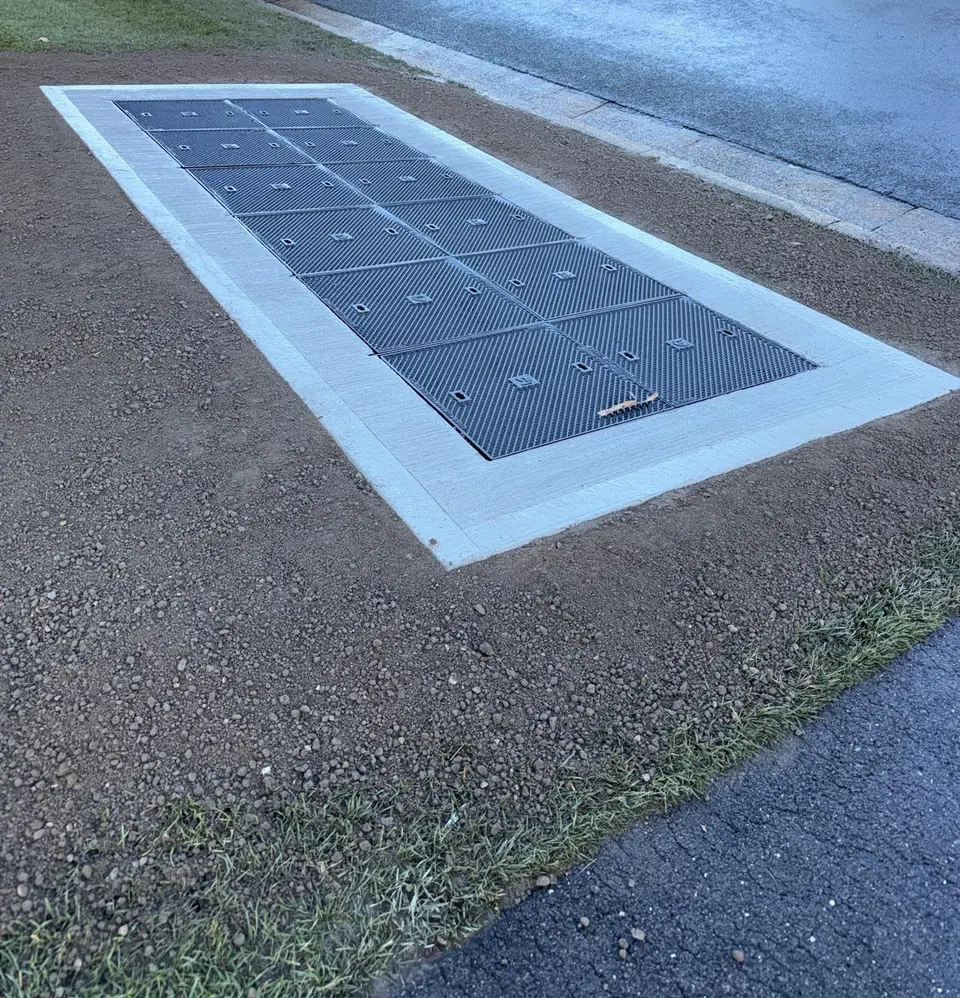
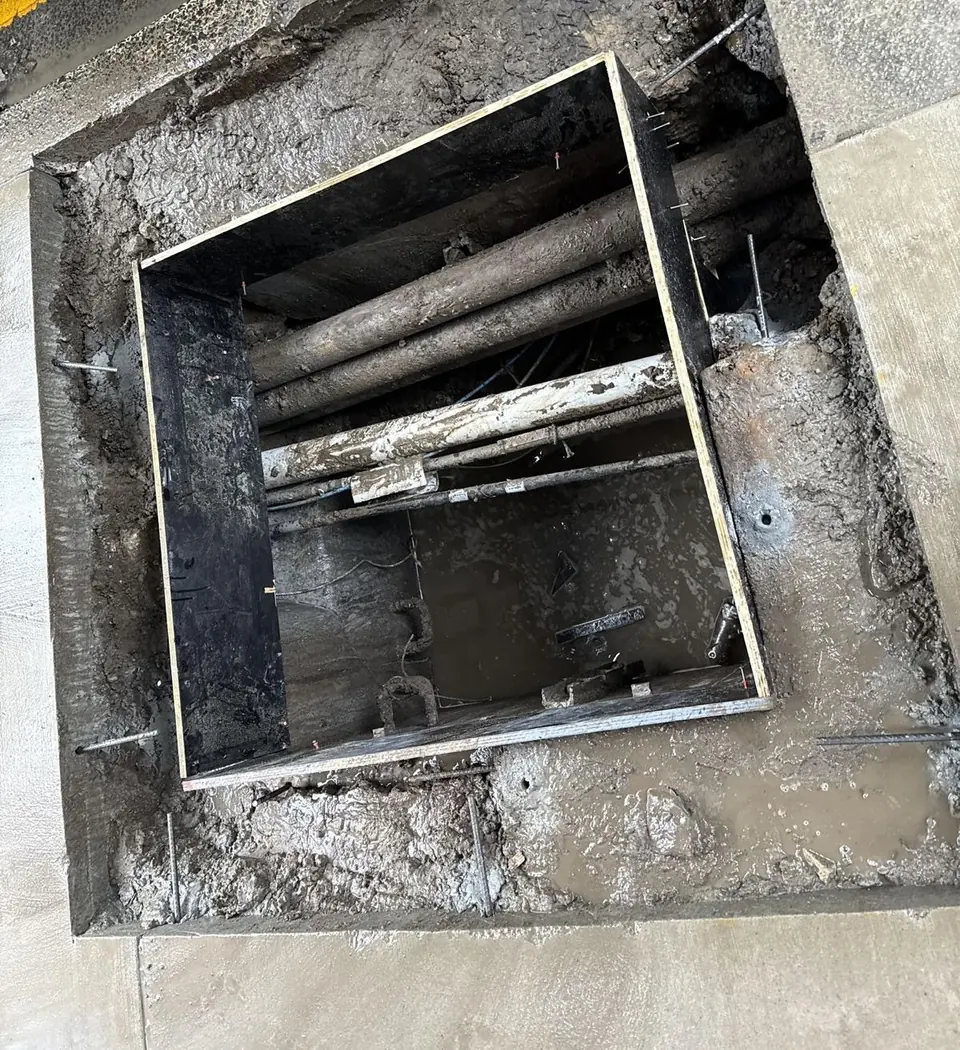
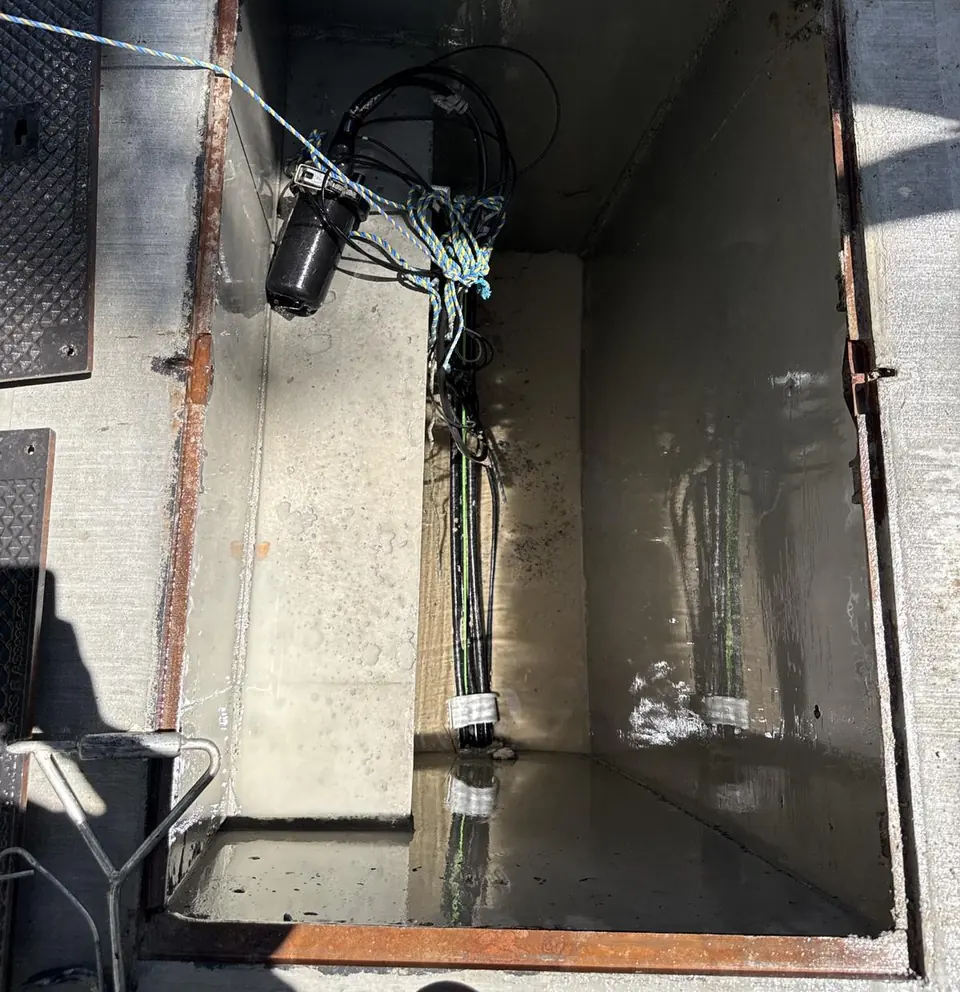
Damaged, broken or undersized pits replaced on existing routes and finished to the surrounding surface.
Build records
Photos, depths and route information captured during the build for the as-built package.
Delivery
On site, in order
The order the work runs on site. Services are located and exposed before any machine excavation.
- Step 1
Set-out
Route, pit positions and depths marked out from the design and locate information.
- Step 2
Expose crossings
Known services potholed before machine excavation.
- Step 3
Install
Trench opened, conduit laid and jointed, pits set to level.
- Step 4
Prove and record
Pathway checked clear end to end, backfilled, reinstated and recorded.
Interfaces and records
Coordination, site constraints and handover records
What KZ COM coordinates with the other parties on the job, the constraints planned for before mobilising, and the records supplied at handover.
Delivery interfaces
- Designer and network owner
- Pit schedule, conduit sizes and the network’s pathway requirements.
- Builder or developer
- Lot access, programme and the building entry point.
- Locating and vacuum excavation
- Crossings exposed before the trench is opened.
Site constraints planned for
- Driveways, footpaths and landscaped frontages
- Existing services at crossings
- Lead-in lengths and surfaces crossed
- Access to occupied premises
Records supplied
- Pit positions and levels
- Conduit routes and depths
- Pathway proving results
- Photo record for as-builts
Health, safety & quality
Safety and quality on this scope
The controls and checks that matter most on this work.
Underground services
Before You Dig Australia (BYDA) information reviewed, services located and marked, and crossings exposed by vacuum excavation or by hand before machine excavation.
Excavation interfaces
Where a route crosses water, gas, power or telecommunications assets, the crossing is exposed by vacuum excavation or by hand before the trench is opened around it.
Inspection points
Depths, pit levels, conduit continuity and surface finish checked during and at the end of the work.
Handover records
Depths, routes, pit positions and photos captured as the work goes in, for the as-built package.
For estimators
Information needed to price it
- Design drawings and pit schedule
- Number of lots or premises
- Lead-in lengths and the surfaces they cross
- Condition of existing conduit and pits, where known
- Programme and inspection dates
Scope and responsibilities
- On nbn new developments, developer-built pit and pipe passes to nbn at practical completion (nbn: Pit and pipe (opens in a new tab)).
- Lead-in requirements come from the network’s current guidelines (nbn: lead-in conduit (opens in a new tab)) and the design issued for the project.
Tell us who is engaging the work and what your specification requires, and KZ COM will confirm its part before pricing.
Related capabilities
Tender and project enquiries
Send the scope, the site location and your timing, or ask for the information your assessment needs.